
Logo Motion Design: Spec It Once, Reuse It
Logo motion design written as a spec — duration, easing, hold and safe area — then exported as beat-synced 9:16 and 16:9 video for the Nike swoosh.

Why animate your nike logo
Logo motion design written as a spec — duration, easing, hold and safe area — then exported as beat-synced 9:16 and 16:9 video for the Nike swoosh. Animate your logo with this brand style: a short-form video in minutes. No animator, no agency, no After Effects — just upload and ship.
⚡Four numbers instead of a mood board
logo motion design is usually sold as a feeling and delivered as a file nobody else can rebuild. Written properly it is four numbers — entry duration, beat interval, hold length and safe area — and once those are fixed, anyone on the team can reproduce the motion without booking the designer again.
⚡A spec survives the handoff
The person who animates is rarely the person who posts. Numbers travel where project files do not: the social manager knows the opener runs 1.2 seconds, the freelancer knows the hold is two beats, and the brand stays identical across a dozen hands and a dozen months.
⚡Athletic timing, not decoration
Fast in, hard settle, no ornament — the timing language a performance mark deserves. The swoosh arrives on the beat and stops, because a mark built for speed reads as slow the moment its motion starts to drift past the cut.
⚡One spec, every placement
9:16 for Reels, Shorts and TikTok; 16:9 up to 4K for YouTube, retail screens and pitch decks. Both exports come from one source file, so the timing and easing stay identical and the brand never looks re-interpreted per channel.
⚡Specced in the browser, in minutes
No seat of After Effects and no timeline to learn. Upload the mark, set the background frames and the track, and the tool cuts to the beat markers — free during the launch window, with unlimited 720p, 1080p and 4K exports.
How to animate your logo
Upload your logo
Choose frames
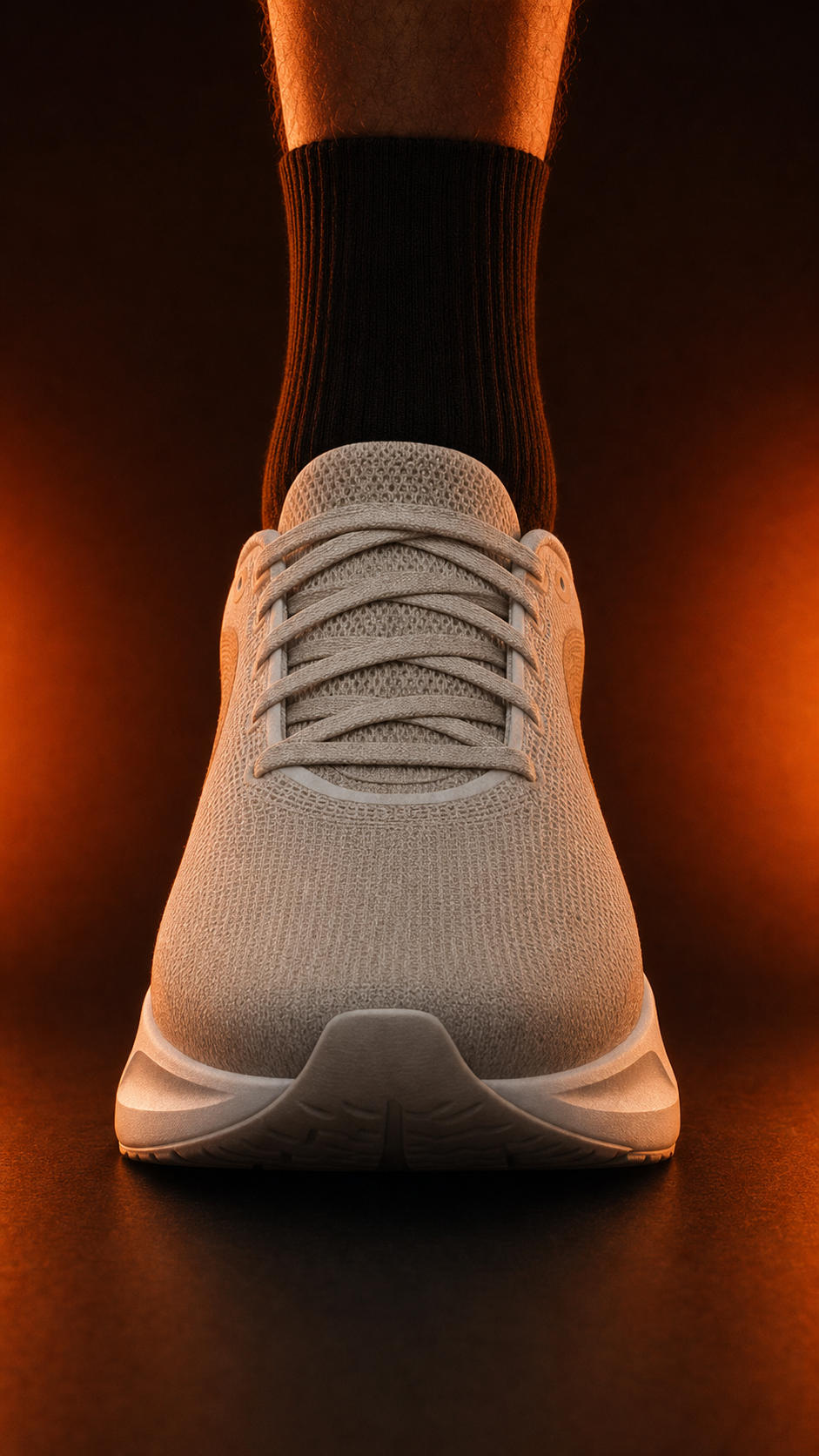
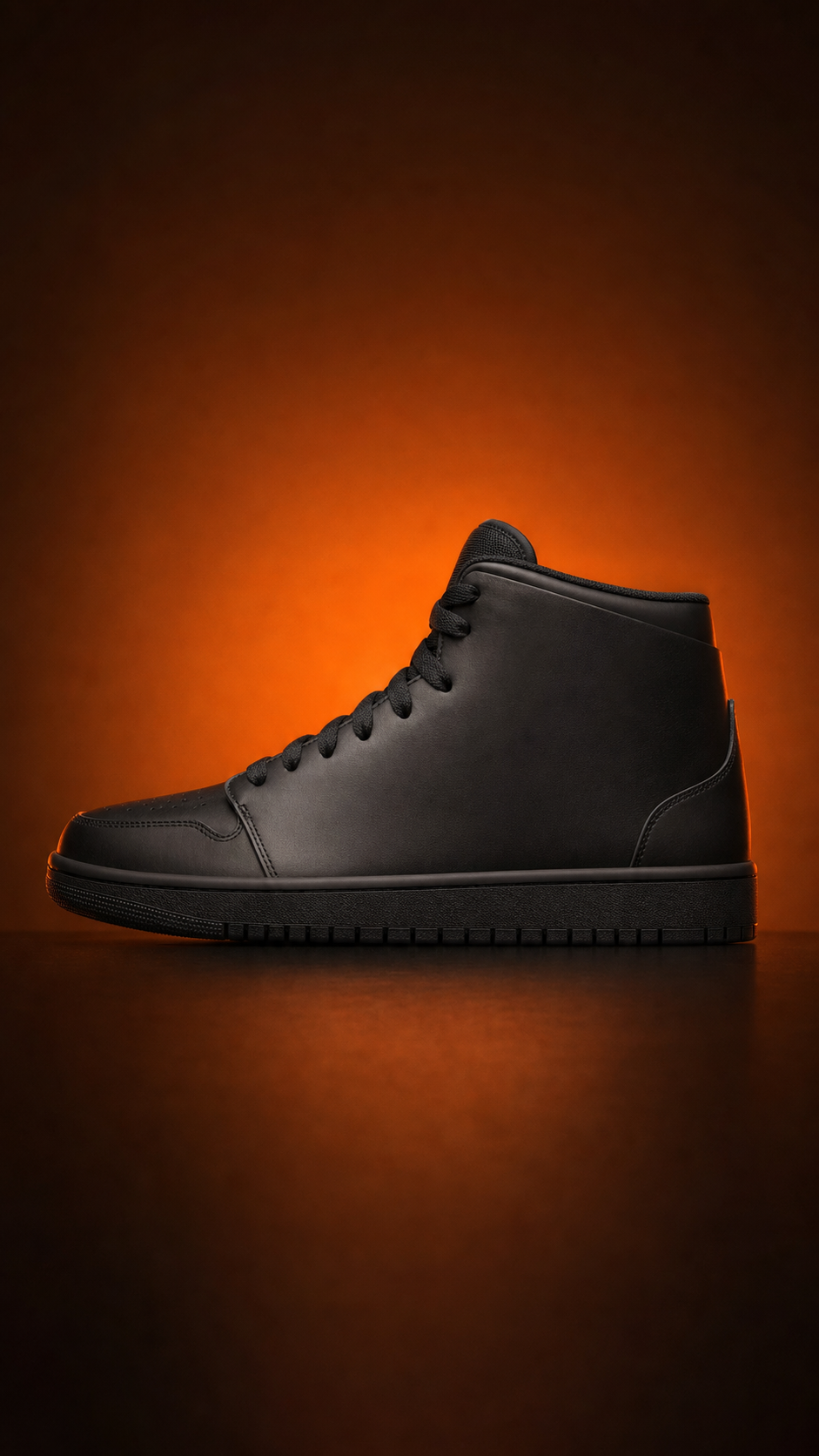
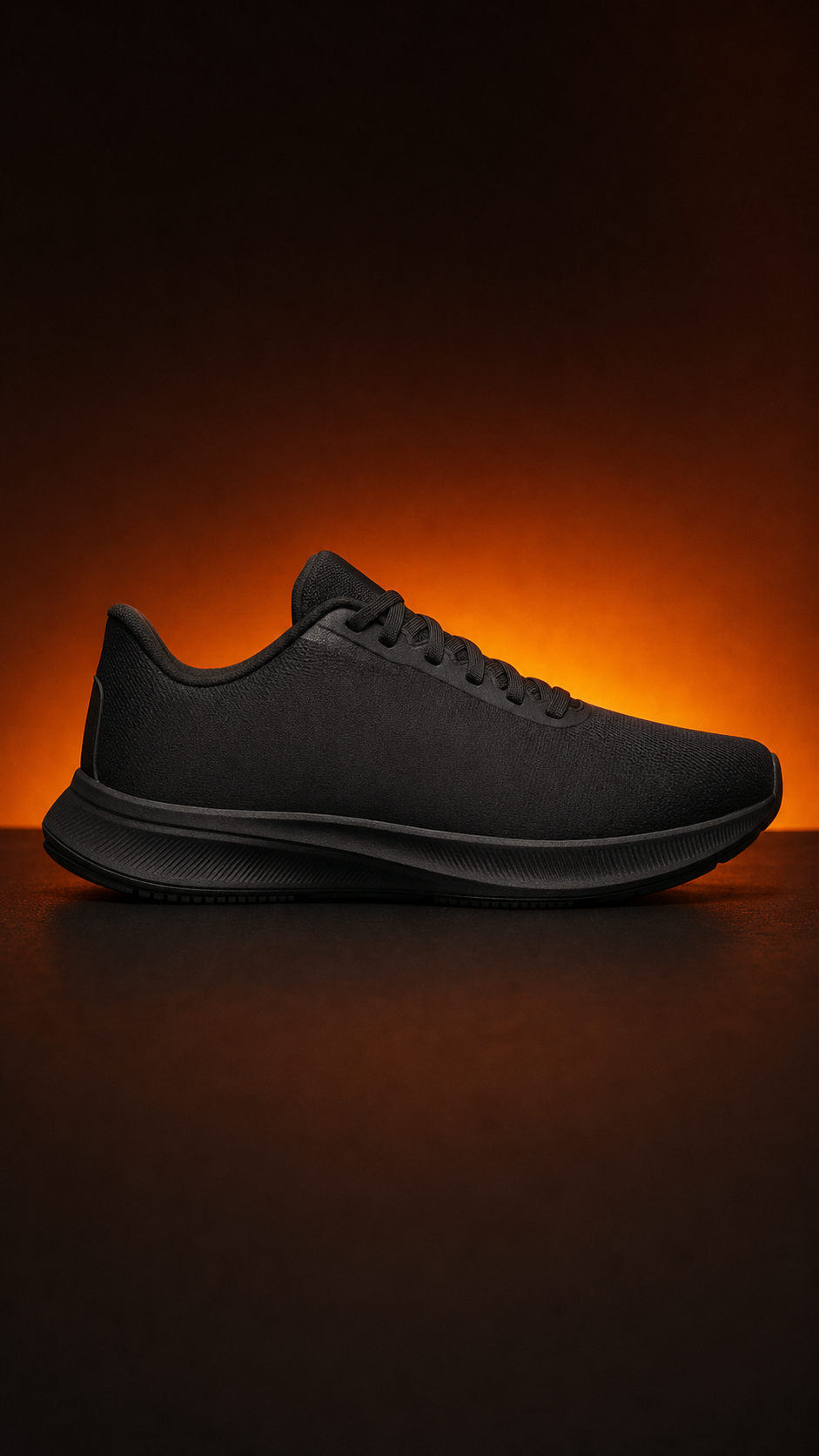
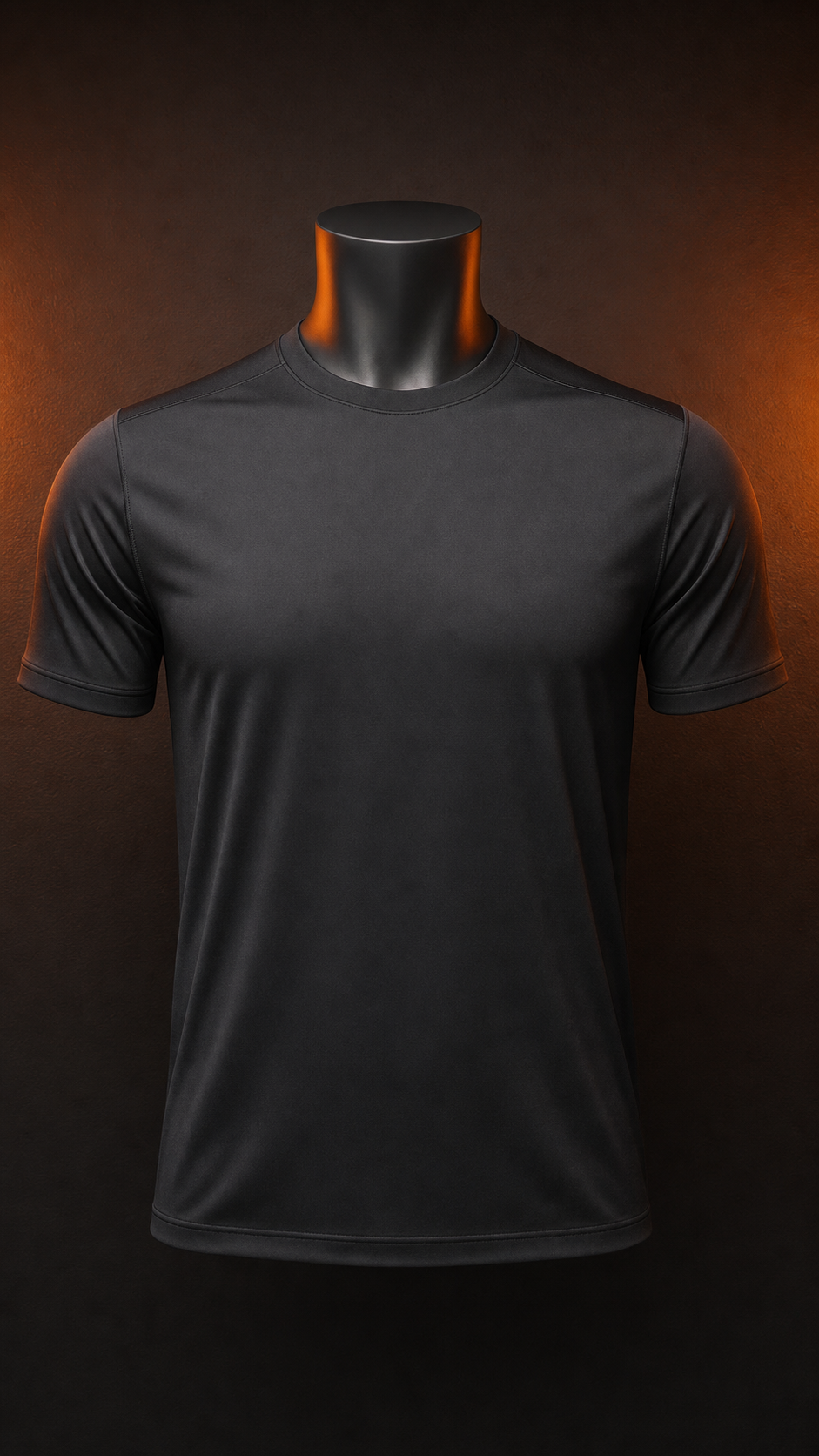
Download your video
Why animate your logo
logo motion design is a discipline before it is a file. The confusion sits in the word design, which sounds like a style — energetic, minimal, playful — when the working definition is closer to engineering: a set of values that describe how a mark behaves over time, written down so the behaviour repeats. A logo that moves well once is a demo. A logo whose motion can be rebuilt by the next person who joins the team is a design system.
Four values do most of the work. Entry duration sets the pace: under a second reads as urgent, one to two seconds reads as considered, and anything past three seconds asks an audience to wait for a logo. Beat interval ties the motion to music, because a cut that lands a few frames off the marker is the most common reason an opener feels amateur. Hold length decides how long the mark stays still after it arrives, and that stillness is what makes the arrival read. Safe area keeps the mark inside the crop on every placement instead of centred for one and clipped on the rest.
Easing is where the personality lives, and it is also the easiest thing to leave unspecified. A fast ease-out on the entry with a linear hold is the athletic default: the mark snaps in, then rests. A slow ease-in and ease-out is the calm option, and it needs a longer duration to avoid looking sluggish. Writing the easing family into the spec matters more than picking a fashionable curve, because a rebuilt animation with the wrong easing reads as a different brand even when every other number matches.
The handoff is the real test. In most teams the person who animates is not the person who posts, and neither of them owns the original project file. A logo motion design that lives only inside an After Effects composition dies at the first handover: the next person rebuilds the motion from memory, the timing drifts, and two months later the channel has three openers that each move slightly differently. Numbers in a document survive that trip; project files usually do not.
Placement is the last decision and it belongs in the spec rather than in the export dialog. Vertical 9:16 is what Reels, Shorts and TikTok play without cropping, while horizontal 16:9 up to 4K covers YouTube, websites, retail screens and pitch decks. Because both come from one source file, the timing stays identical across them — and the brand looks like one brand whether the mark appears on a phone or on a storefront screen.
Perfect for
Frequently asked questions
What is logo motion design?
It is the practice of specifying how a logo moves rather than only drawing how it looks: how long the entrance runs, which easing it uses, how many beats the mark holds, and how much clear space the motion needs. A logo motion design is finished when those values are written down and someone else can rebuild the animation from them — not when a single video file exists.
Do I need motion design software to make one?
No. A browser tool covers the case most brands actually have: upload a transparent SVG or PNG, choose background frames and a track, and the animation is generated and cut to the beat. After Effects and similar suites are built for scene work and character rigs; they are the expensive answer when the deliverable is a two-second opener.
How do I spec motion so another person can rebuild it?
Write four things: total duration, the frame rate and beat interval, the hold length in beats, and the safe area in pixels. Add the easing family — a fast ease-out on the entry and a linear hold, for example — and the source file. Anyone with those five lines and the logo can reproduce the motion without ever seeing the original project.
Can one logo motion design cover vertical and horizontal placements?
Yes, and it should. Export 9:16 for Reels, Shorts and TikTok and 16:9 up to 4K for YouTube, websites and retail screens from the same source file. Only the frame around the mark changes; the timing, easing and hold stay identical, which is what stops a brand from looking like four different companies across four channels.
Is it free to create logo motion design here?
Yes. Creating and exporting is free during the launch window, including unlimited 720p, 1080p and 4K renders in 9:16 and 16:9, with no watermark. Paid tiers add volume and shared seats for teams that ship motion every week — they never restrict the export itself.
From the blog
Workflows, references, and strategies for motion-first brands.
Video is where customers are: 91% of businesses use video as a marketing tool (Wyzowl), and Wistia's retention data shows a short, branded opener keeps viewers longer than a static frame.